

Introduction
Long before the rise of skyscrapers and global trade hubs, the lands that now form the United Arab Emirates were home to a sophisticated and prosperous Bronze Age civilization: the Umm an-Nar culture. Flourishing between 2600 and 2000 BCE, this society represents a golden age of innovation, social organization, and international exchange. Named after the island off the coast of Abu Dhabi where its remains were first excavated, the Umm an-Nar culture shattered the myth of the region’s historical emptiness, revealing a people who were master craftsmen, skilled traders, and ambitious builders. This article delves into the world of the Umm an-Nar people, exploring their distinctive circular tombs, their thriving settlements, and their pivotal role in the trade networks of the ancient world.
Distinctive Architecture: The Grand Tombs and Settlements
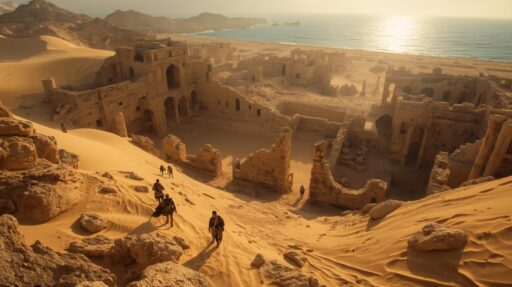
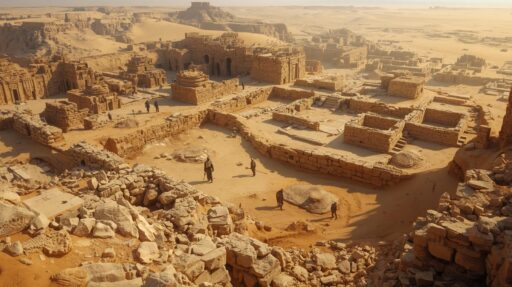
The most enduring legacy of the Umm an-Nar culture is its monumental architecture, particularly its distinctive circular tombs. These large, above-ground structures, which could measure up to 12 meters in diameter, were built from finely dressed, smooth-faced ashlar blocks of local stone. The most famous example is the Grand Tomb at Hili in Al Ain, which features a decorated facade with carvings of human and animal figures, including the iconic “oryx relief.” These tombs were collective burial chambers, holding the remains of hundreds of individuals, indicating a complex social structure with shared beliefs about the afterlife. Alongside these tombs, the Umm an-Nar people lived in substantial, well-planned settlements. At sites like Tell Abraq and Kalba, archaeologists have uncovered the foundations of large, circular forts and domestic buildings, suggesting centralized authority and a settled, agricultural lifestyle.
Economic Foundations: Agriculture, Copper, and Trade
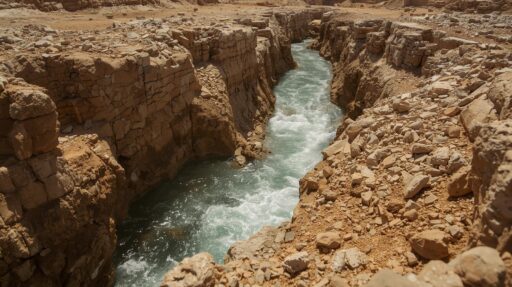
The prosperity of the Umm an-Nar culture was built on a diversified economy. The key to their survival was the development of the falaj (pl. aflaj) irrigation system, a network of underground channels that tapped into groundwater and distributed it to fields and date palm orchards. This revolutionary technology allowed for intensive agriculture in the arid environment, supporting larger, permanent populations. Simultaneously, the Umm an-Nar people became masters of copper smelting. They mined copper ore from the Hajar Mountains and transformed it into ingots and finished goods. This copper became a primary commodity in a vast trade network that connected them to the great civilizations of the time.
The Umm an-Nar on the World Stage: International Connections
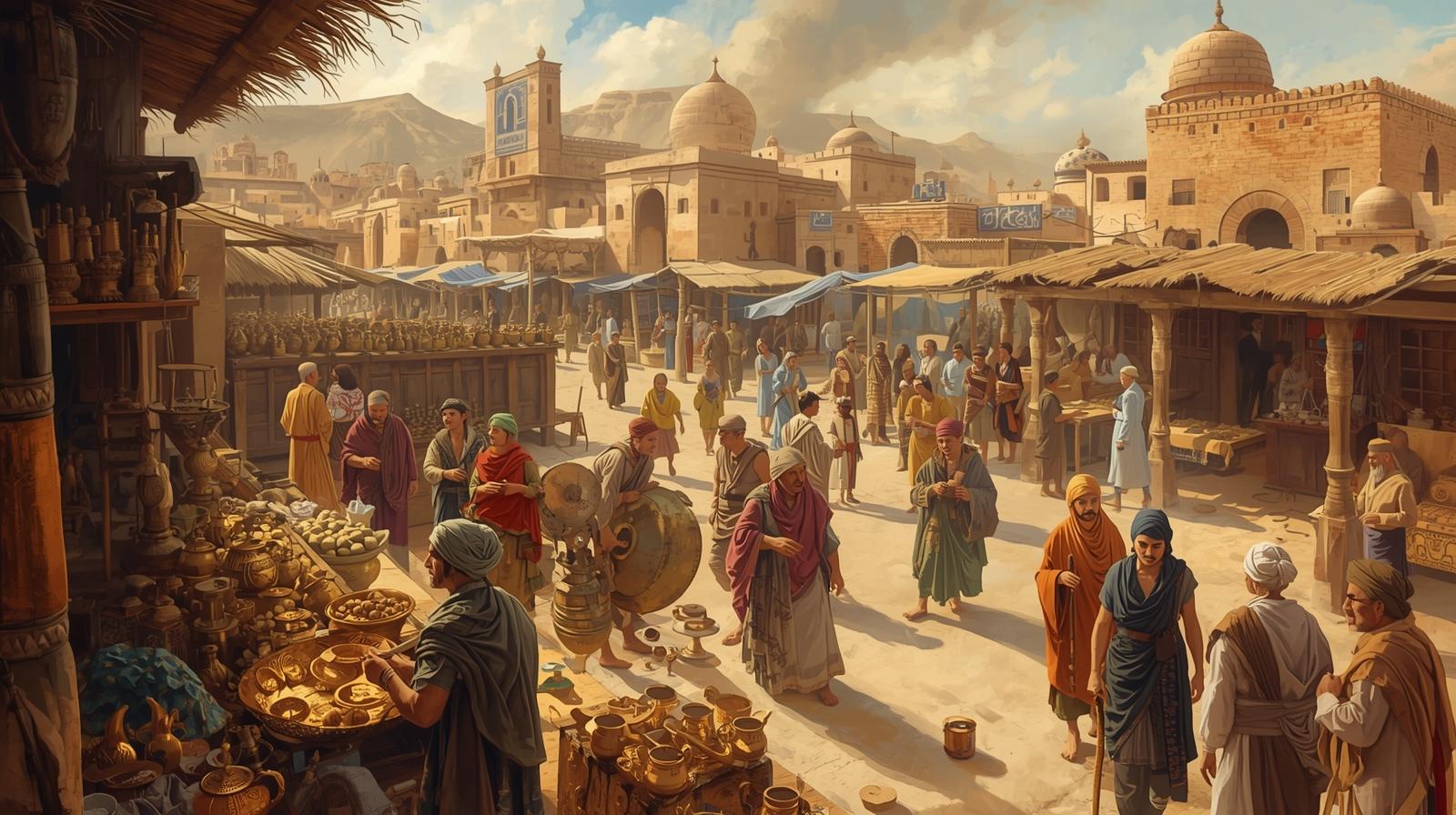
The Umm an-Nar culture was not an isolated entity but a vital node in the maritime trade routes linking Mesopotamia (modern Iraq) with the Indus Valley Civilization (modern Pakistan and India). Umm an-Nar pottery, characterized by its black-painted geometric designs on a red background, has been found in Mesopotamian cities like Ur. In return, the people of Umm an-Nar imported goods such as carved soapstone vessels from the Indus Valley, luxury items like carnelian beads, and various types of Mesopotamian pottery. This exchange was not merely commercial; it was a transfer of technologies, ideas, and cultural influences. The presence of these foreign goods in Umm an-Nar tombs underscores the wealth and cosmopolitan nature of this early Arabian society.
Social Structure and Daily Life
The scale of their construction projects and the evidence of long-distance trade imply a highly organized society with social stratification. It is likely that a ruling elite, perhaps chieftains or priests, controlled the copper production and trade, orchestrating the labor required to build the massive tombs and forts. The majority of the population would have been farmers, herders, and craftsmen. Evidence from middens (ancient garbage heaps) reveals a diet based on dates, wheat, barley, and the meat of domesticated sheep, goats, and cattle, as well as fish and shellfish from the Gulf. They were also skilled in textile production and basketry, as evidenced by clay spindle whorls and impressions on pottery.
Conclusion: A Foundation for the Future
The decline of the Umm an-Nar culture around 2000 BCE is still a subject of research, possibly linked to climatic changes or the collapse of major trading partners. However, its legacy is profound. The Umm an-Nar period established a template for settled life in the region, with its advanced water management, skilled craftsmanship, and outward-looking, mercantile spirit. The technologies and trade connections they pioneered laid the groundwork for the subsequent Iron Age cultures and, in many ways, prefigured the economic dynamism that defines the modern UAE. The stones of Umm an-Nar are not silent ruins; they are the foundational chapters of a long and illustrious history, telling the story of a people who, thousands of years ago, mastered their environment and connected their world.